
Core Themes
The Self Within Systems, Time and Uncertainty
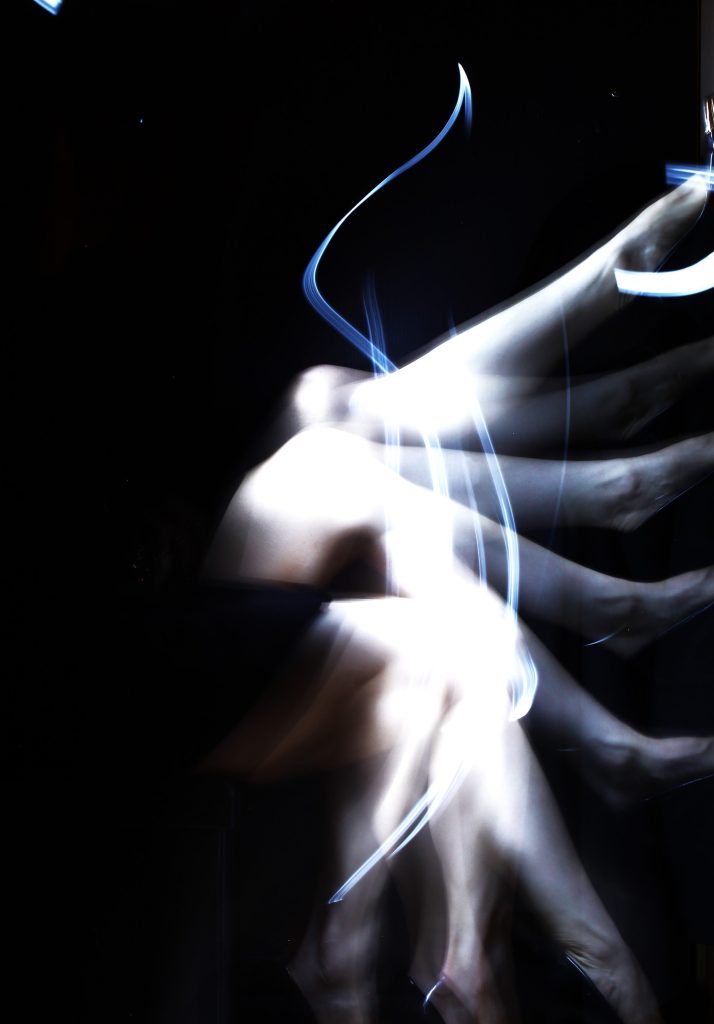
My work returns to the human subject not as something fixed, but as something continuously negotiated. Identity is formed through memory, perception, relationships, roles and the structures within which we operate. What interests me is not simply the instability of the self, but what happens when that instability becomes visible.
Across different bodies of work, the individual may appear fragmented, concealed, repeated, absorbed into a system or caught at the threshold of transformation. Absence and incompleteness remain important, but increasingly as part of a wider inquiry into consciousness, autonomy and our response to conditions we cannot fully control.
The work often begins where certainty becomes difficult to sustain.
Read more…
Identity & Perception →
Identity appears as something constructed, performed and continuously revised. Masks, fragmented bodies, mirrors, omissions, altered faces and unstable narratives question the distinction between what we are, what we perceive ourselves to be and what is reflected back to us by others.
Systems & Autonomy →
Social, professional, economic and technological systems organise human life while simultaneously shaping the individuals operating within them. I am interested in the threshold where a useful structure becomes an identity, where participation becomes conformity, and where the human being risks becoming function, consumer, image, data or product. The question is not simply whether systems constrain us, but how autonomy survives within them.
Impermanence & Resistance →
Time alters bodies, objects, memories and structures regardless of our attempts to stabilise them. Yet human beings continually preserve, repair, archive, remember, restore and create. I am increasingly interested in this resistance to impermanence — not necessarily as an attempt to defeat change, but as an act through which value may itself be produced.
Absurdity & Constructed Value →
The absence of inherent or predetermined meaning does not necessarily lead to nihilism. It exposes freedom, finitude and responsibility. My work approaches the absurd as the condition within which we continue to choose, attach, construct, create and assign value despite knowing that permanence and certainty remain unavailable.
Artistic Approach
Painting at the Core, the Idea Beyond the Medium
Painting remains the central language of my practice.
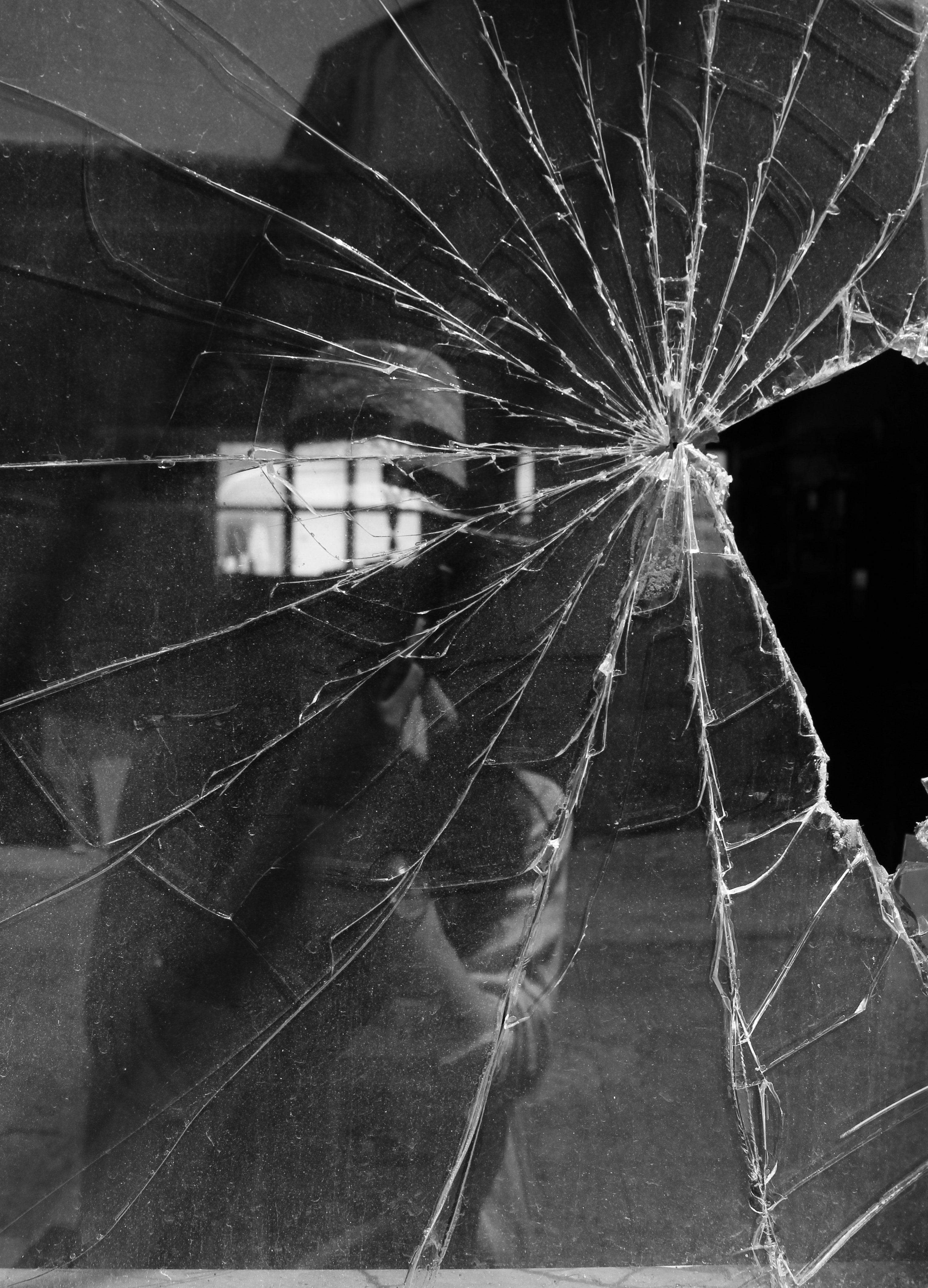
I work predominantly through semi-abstract figuration, allowing the human figure to move between visibility and dissolution. Chiaroscuro, layered surfaces, impasto, gesture and incomplete forms create images in which the body can remain recognisable without becoming fully stable.
Light functions less as illumination than as selection. It reveals certain information while withholding the rest. Shadow therefore does not merely conceal; it creates uncertainty, allowing the image to remain open to projection, memory and psychological interpretation.
Materiality is equally important. Texture interrupts the passive surface of representation. Scraping, layering, exposed ground and accumulated marks retain evidence of formation and alteration, allowing the physical construction of the work to become part of its meaning.
At the same time, I do not consider medium a boundary.
Read more…
When an idea depends on duration, repetition or unstable sequences, it may move into moving image. When framing and omission become central, it may develop through photography. When an image cannot contain the full movement of a thought, language may continue it.
These forms do not function as separate practices. They are different ways of approaching the same unresolved questions.
Influences
An Ongoing Dialogue
My practice develops through an ongoing dialogue between visual art, philosophy, literature and cinema rather than through a single artistic lineage.
Existential thought — particularly Camus and Sartre — remains important to my understanding of freedom, absurdity and responsibility, while questions of constructed reality and systems extend into wider philosophical and cultural theory.
In cinema and literature, I am drawn to work that destabilises ordinary reality rather than simply escaping it: the psychological ambiguity of David Lynch, the interior intensity of Ingmar Bergman, and the absurd and institutional unease present in Beckett and Kafka.
Within painting, recurring points of reference include Francis Bacon, Marlene Dumas, Jenny Saville, Gerhard Richter, Lucian Freud and Egon Schiele, particularly in their different approaches to the body, psychological presence, distortion, materiality and perceptual uncertainty.
These references do not form a fixed genealogy. They function as points of friction within a practice that continues to change as its questions change.

